
 Sold
Sold54 Legends Circle
$3,450,000Represented the seller · Closed 2025-02-18
Listing courtesy of BERKSHIRE HATHAWAY · 516-224-4600
MLS #KEYL3587393 · Closed

 Contact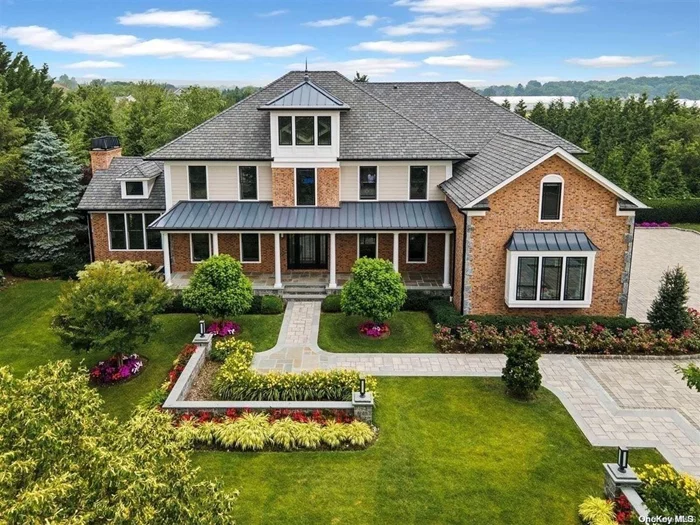
SUFFOLK COUNTY
Space to settle. Connections to keep.
THE LOCAL PERSPECTIVE
A Melville home search is about more than a postal address. Compare the setting, interior layout, outdoor space and the daily routes you expect to use. Ron Lanzillotta is your local point of contact with The Pesce & Lanzillotta Group for buying or selling in Melville.
Our team’s Melville portfolio includes homes on Legends Circle, alongside other completed transactions. Explore the selected examples below, then compare current homes and research schools using the full property address. For outdoor time, the Town of Huntington lists William E. Kessler Park on Sweet Hollow Road in Melville.
YOUR MELVILLE REAL ESTATE AGENT
Connect with Ron for your Melville move. From comparing homes and researching the details that matter to you, to preparing a property for sale, your conversation starts with your priorities and a plan for the next step.
Backed by The Pesce & Lanzillotta Group and Berkshire Hathaway HomeServices Laffey International Realty.
Compare houses and communities by school assignment, ownership costs and your actual commute. For a home with an association, review the fees and rules alongside the property. Ron can help you narrow the options and plan your offer.
A detached house and a home in an association may compete with different listings. Ron can help you identify the relevant completed sales, explain your home’s distinguishing features and plan its presentation to buyers.
OUR LOCAL SALES PORTFOLIO
Selected completed sales from The Pesce & Lanzillotta Group. Our portfolio brings together listing-side and buyer-side work; an individual property’s representation is shown where confirmed by the MLS record.
SoldRepresented the seller · Closed 2025-02-18
Listing courtesy of BERKSHIRE HATHAWAY · 516-224-4600
MLS #KEYL3587393 · Closed
 Sold
SoldRepresented the seller · Closed 2026-08-03
Listing courtesy of BERKSHIRE HATHAWAY · 516-224-4600
MLS #KEY961350 · Closed
 Sold
SoldRepresented the buyer · Closed 2023-02-04
Listing courtesy of Compass Greater NY LLC · 516-703-3360
MLS #KEYL3430068 · Closed
MLS examples identify our team’s role in the transaction. Historical examples are labeled separately. These are completed transactions, not current listings or a complete local market report.
PUTTING DOWN ROOTS
A home search is also a search for an everyday routine. Start with the space you need now, the changes you may want later, school research, and the route between home, work and daily activities.
Compare grounds, major systems and any association responsibilities alongside the purchase price. Confirm school assignments by full address and test your everyday routes before choosing a home.
Confirm the district and school assignment using the full property address. Compare programs and services that matter to you before building a shortlist.
Try the school-day, commuting and errands routes at the times you would use them. Check the current train timetable and station parking arrangements rather than relying on a listing’s distance estimate.
Compare storage, work space, outdoor upkeep and the ability to adapt the layout. Ask for permit records for completed work and investigate approvals for changes you are considering.
SCHOOLS & YOUR ADDRESS
If schools are part of your move to Melville, start with the exact address and your student’s needs.
A postal town, village and school district can have different boundaries. Check the school district shown in the property records, then contact the district’s registration office to confirm the address, grade-level placement and enrollment requirements.
Ask about registration timing, documents, transportation, before- and after-school options, and the availability of programs relevant to your student. Confirm current arrangements directly with the school or district.
Use New York State’s school and district report cards to review enrollment and student-performance information. Note the reporting year and compare it with current district information about courses, student support, arts, athletics and extracurricular opportunities.
A single rating cannot answer every question about a school. Speak with the school about your priorities, and verify enrollment before making a property decision.
A CLOSER LOOK AT SCHOOLS
Start with the district, then look at the individual schools and the day-to-day experience. Keep the reporting year in view when comparing information from different sources.
Half Hollow Hills and South Huntington are starting points for Melville school research. District boundaries and individual school assignments must be confirmed with the full property address. The profiles below retain their stated NYSED reporting years; they are not a boundary map.
New York State Education Department · 2024–25 profile
Enrollment describes district size, not class size. The graduation rate describes a past student cohort; it does not predict an individual student’s outcome. Read the full state reports for definitions, reporting periods and context.
Half Hollow Hills accepts new-student registration on a rolling basis and describes a final registration video call. Universal pre-K follows a separate placement process. Check the current instructions and confirm building assignment and transportation for the property you are considering.
Open a school’s state profile to review its own data. This district list does not establish which school serves a particular address.
New York State Education Department · 2024–25 profile
Enrollment describes district size, not class size. The graduation rate describes a past student cohort; it does not predict an individual student’s outcome. Read the full state reports for definitions, reporting periods and context.
South Huntington maintains a dedicated registration-services site with separate guidance for new entrants. This is a different district from Huntington UFSD. Match the district name in the property information, then ask its registrar to confirm the address and the appropriate enrollment steps.
Open a school’s state profile to review its own data. This district list does not establish which school serves a particular address.
Confirm elementary, middle and high school placement separately. Ask when students change buildings, whether attendance zones are changing, and how a move during the school year affects placement.
Review the current course catalog for world languages, arts, advanced courses and career or technical study. Ask about prerequisites, scheduling, learning support and how services transfer from a previous school.
Check school start and dismissal times, bus eligibility from the exact address, activity transportation, and before- or after-school care. Ask about fees, availability and separate applications.
Ask which documents the district accepts, how to coordinate registration with your move, and who can help if documents are unavailable. Check pre-K eligibility and application dates separately from kindergarten; a pre-K place may involve a lottery or waitlist.
These district names come from the matching active listings returned for this guide. They are a starting point for research, not a complete list of districts or a boundary map. Confirm each property’s district and school assignment directly with the district.
THE EVERYDAY DETAILS
Compare the commute, ownership costs and places you would use throughout the year. Start with these official Suffolk County and regional resources, then check the details for the home itself.
For a home in Melville, compare station locations on the MTA map with the actual drive, walk or bus connection. Do not assume a station shares the community’s name or that the closest station offers the most useful service.
TrainTime provides departure and transfer information. Check the current trip before traveling; we do not publish a fixed door-to-door commute time.
Open the MTA station page and its parking information, then confirm the current rules with the municipality or operator for the specific lot. Two lots at the same station can have different restrictions.
In Suffolk, start with the parcel’s Suffolk County Tax Map number and the appropriate town tax receiver. The county’s directory links to town tax-bill searches; county tax maps help identify the parcel.
New homeowners should review New York State’s STAR credit eligibility and registration process. The STAR exemption is generally not available to new homeowners; the credit is a separate benefit subject to state requirements. Check your own eligibility rather than assuming the seller’s benefit transfers.
Use Suffolk County’s parks and trail directories to compare outdoor options throughout the year. West Hills County Park, for example, has marked nature trails. Check conditions, closures and the specific entrance before setting out.
Suffolk’s Green Key program provides access to the county parks reservation system and helps determine eligible park rates. Review current card options and requirements. Town, village and state facilities may have separate passes and rules.
Use the county library directory to find local branches, then check the library’s own calendar for classes, reading groups, study space and other programs. Confirm which library serves the address, card requirements and whether registration is needed.
On a viewing day, try the route from the home to the grocery store, pharmacy, library and recreation you would actually use. Visit on a weekday evening as well as a weekend; compare opening hours, parking, sidewalks and the return trip.
Official resources reviewed September 28, 2026. Schedules, permits, tax records and program availability can change; use the linked providers for current details.
PREPARING YOUR NEXT CHAPTER
Prepare an accurate account of the home’s layout, improvements, utilities and ownership costs. Confirm the district information before it appears in marketing. A pricing discussion should use comparable closed sales and competing listings, with differences in condition, lot and location made clear.
Our sales portfolio is a record of represented transactions and team-maintained historical entries. It is not a complete record of the local market or a valuation of your home.
BEFORE YOUR NEXT MOVE
The active-listings section below uses our OneKey MLS feed for Melville. Open the full search to adjust price, property type and other filters. Availability changes; contact us to confirm a specific property.
Explore active listingsCompare taxes, insurance, utilities, maintenance and any association charges alongside the purchase price. Verify costs for each property rather than using a town-wide estimate.
Ask the district’s registration office to confirm the full street address, grade-level placement and required enrollment documents. Do not rely solely on the town name or a listing description.
School research resourcesTell us about your preferred area, property needs and timing. We can help you compare homes and plan your next step.
Ask about Melville Call 516.888.9711ON THE MARKET
Available homes from OneKey® MLS · Highest price first